GST and Income Tax for Influencers & Content Creators in India (2026)
The creator economy in India has evolved into one of the fastest-growing digital industries. From YouTubers and Instagram influencers to bloggers, podcasters, gamers, and educators, content creators are generating substantial income through online platforms and brand collaborations. What often begins as a hobby can quickly turn into a profitable business.
As earnings increase, so do tax responsibilities. Whether you earn from sponsorships, YouTube AdSense, affiliate marketing, or digital products, understanding the applicable Income Tax and GST provisions is essential. Proper compliance not only helps avoid penalties but also builds credibility and ensures smooth financial management.
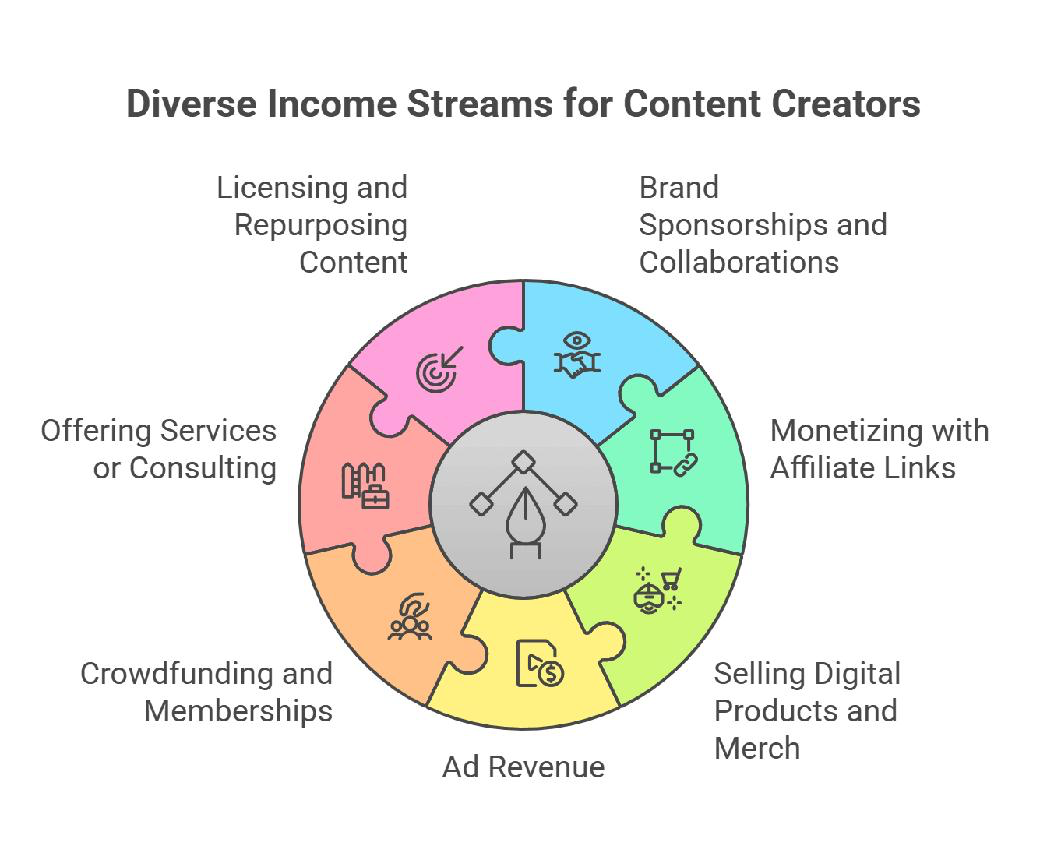
 Common Sources of Income
🎥 Brand sponsorships and paid promotions
💰 YouTube AdSense and platform monetization
🤝 Affiliate marketing commissions
📚 Online courses, memberships, and digital products
Regardless of the source, every receipt should be properly recorded and reported for tax purposes.
 Income Tax on Influencer Income
Income earned through content creation is generally taxable under the head Profits and Gains of Business or Profession (PGBP). Since influencers provide advertising, promotional, marketing, or creative services with the objective of earning income, such receipts are generally treated as business or professional income.
The taxable income is determined after deducting eligible business expenses from the total professional receipts earned during the financial year. Income received from foreign companies or international platforms should also be reported wherever applicable.
 Eligible Business Expenses
Influencers can generally claim expenses that are incurred wholly and exclusively for business purposes.
Some common deductions include:
📷 Camera, laptop, and recording equipment
💻 Editing software, internet, and communication expenses
🏢 Studio or office-related expenses
👨💼 Professional fees paid to editors, designers, or consultants
Maintaining proper invoices and payment proofs is important to support these claims during assessments.
Presumptive Taxation – Section 44ADA
Eligible resident professionals may consider opting for the presumptive taxation scheme under Section 44ADA, subject to satisfying the prescribed conditions.
This scheme simplifies tax compliance by reducing bookkeeping requirements and allowing income to be declared on a presumptive basis. However, creators should compare the benefits of the scheme with regular taxation before making a decision.
Books of Accounts
Maintaining proper books of accounts is essential for every creator, irrespective of the size of the business.
Important records generally include:
🏦 Bank statements and earning reports
🧾 Expense bills and payment proofs
📂 TDS and GST records, wherever applicable
Well-maintained books make return filing, financial planning, and responding to tax notices much easier.
Advance Tax
If the estimated tax liability exceeds the prescribed limit during the financial year, creators may be liable to pay Advance Tax in instalments.
Estimating income periodically and paying advance tax on time helps avoid interest and improves cash flow management.
TDS on Influencer Income
✅ Form 26AS
✅ Annual Information Statement (AIS)
✅ TDS Certificates
✅ Books of Accounts
Reconciling these records helps ensure that all eligible tax credits are correctly claimed.
GST Applicability
Apart from Income Tax, influencers and content creators may also have GST obligations.
GST registration generally becomes mandatory once the aggregate turnover exceeds the prescribed threshold applicable to service providers.
Most influencer services—including sponsored content, brand promotions, digital marketing, and advertising services—generally attract 18% GST.
After obtaining GST registration, creators are generally required to:
📄 Issue GST-compliant invoices
📤 File GST returns within the prescribed due dates
📁 Maintain GST records
💳 Pay GST on taxable supplies
GST on Services Provided to Foreign Clients
Many Indian creators work with international brands and overseas businesses.
Where the prescribed conditions for Export of Services are fulfilled under GST law, such services generally qualify as Zero-Rated Supplies. Eligible creators may export services under a Letter of Undertaking (LUT), subject to the applicable provisions.
Maintaining proper invoices, agreements, and foreign remittance records is important to support export transactions.
 Free Products & Brand Collaborations
Many influencers receive products or services instead of direct monetary payments.
Common examples include:
📱 Smartphones or electronic gadgets
👕 Clothing and lifestyle products
✈️ Sponsored travel or accommodation
Depending on the nature of the collaboration, these benefits may also have Income Tax implications. Proper documentation should therefore be maintained for every barter arrangement.
 Common Mistakes to Avoid
⚠️ Not reporting income from foreign platforms
⚠️ Delaying GST registration after crossing the threshold
⚠️ Claiming personal expenses as business expenses
⚠️ Ignoring TDS reconciliation before filing the return
Avoiding these mistakes helps creators remain compliant and minimizes the risk of penalties and tax disputes.
Why Professional Accounting Matters
Good financial management also provides valuable insights into profitability and helps creators make informed business decisions.
Conclusion
Content creation has become a professional business, making tax compliance an important part of long-term success. Income earned through sponsorships, advertisements, affiliate marketing, online courses, and digital products is generally taxable under the head Profits and Gains of Business or Profession, while GST applicability depends on turnover and the nature of services provided.
By maintaining proper books of accounts, claiming eligible deductions, complying with GST provisions, and filing returns on time, influencers and content creators can focus on growing their business while remaining financially compliant.
👉 Join our WhatsApp Channel
https://whatsapp.com/channel/0029VaAOrtiFCCoQlhtGIx2o
👉 Subscribe to our YouTube Channel
https://www.youtube.com/@taxajca
💬 Chat with Us on WhatsApp
https://wa.me/918802912345
📞 Call Us
+91 8802912345
Related Articles
Influencer Income Tax Guide in Goa (2026)
Introduction The influencer economy in Goa is growing rapidly, driven by tourism, hospitality collaborations, brand promotions, affiliate marketing, event appearances, and digital content creation. From Instagram reels showcasing Goa’s lifestyle to ...Compliances for Creators Selling Digital Art on Global Platforms
? Introduction With digital art and NFTs taking over the global creative space, Indian creators are no longer restricted by borders. Platforms like Etsy, OpenSea, Rarible, Behance, and Gumroad empower artists to showcase and sell their creations to ...How to Structure an Export-Only D2C Brand With GST in India
?Introduction The Direct-to-Consumer (D2C) business model has transformed how brands interact with customers. For Indian entrepreneurs, export-only D2C brands present an incredible opportunity to reach global markets directly, bypassing ...How to Handle Reverse Charge on Royalty Paid to Foreign Creators
? Introduction In the globally connected digital economy, Indian companies and individuals are increasingly collaborating with foreign creators, including musicians, designers, software developers, and other intellectual property holders. These ...Income Tax on Freelancers & Gig Workers — Filing under 44ADA
Introduction The rise of the digital economy has significantly increased the number of freelancers and gig workers in India. Professionals such as graphic designers, content writers, consultants, software developers, digital marketers, video editors, ...