GST Audit Requirements for Goa Businesses
With increasing digital monitoring and stricter tax enforcement, GST compliance has become a major focus area for businesses operating in Goa. One of the most important aspects of GST compliance is maintaining proper records and being prepared for a GST audit or departmental scrutiny.
Many businesses believe GST audit applies only to large corporations. However, even small and medium businesses can receive notices for:
- Incorrect GST filing
- Mismatch in returns
- Excess Input Tax Credit (ITC) claims
- Non-maintenance of records
Understanding GST audit requirements is essential for avoiding penalties, litigation, and operational disruptions.
📊 What is GST Audit?
A GST audit refers to the examination of:
- Books of accounts
- GST returns
- Invoices
- Tax payments
- Input Tax Credit claims
The purpose of the audit is to verify whether a business has:
- Correctly declared turnover
- Paid appropriate GST
- Maintained proper records
- Complied with GST laws
⚖️ Legal Framework Governing GST Audit
- Central Goods and Services Tax Act, 2017
Under GST law, authorities have powers to:
- Conduct scrutiny
- Seek explanations
- Demand records
- Initiate departmental audits and investigations
🌍 Applicability of GST Audit for Goa Businesses
GST audit-related compliance applies to almost every registered business, including:
- Restaurants and cafes
- Hotels and resorts
- Traders and wholesalers
- Construction businesses
- Manufacturers
- Service providers
- E-commerce sellers
- Freelancers and consultants
👉 Businesses operating in Goa’s tourism and hospitality sector are particularly exposed to GST scrutiny due to high cash transactions and seasonal revenue patterns.
📌 Types of GST Audits
There are multiple forms of GST verification and audit under GST law.
🟢 1. Departmental Audit
- Books of accounts
- GST returns
- Tax payments
📌 Purpose:
To identify:
- Tax shortfall
- Wrong ITC claims
- Non-compliance
Authorities may request:
- Invoices
- Purchase records
- Bank statements
- Reconciliation reports
🟡 2. Special Audit
A special audit may be ordered when authorities believe:
- Transactions are highly complex
- Incorrect valuation exists
- ITC claims are suspicious
This audit is generally conducted by a Chartered Accountant nominated by the department.
🔴 3. GST Scrutiny Proceedings
Even without a formal audit, businesses may receive notices for:
- Return mismatch
- ITC mismatch
- GSTR-1 vs GSTR-3B differences
- E-way bill inconsistencies
👉 These are extremely common.
📑 Key Records Businesses Must Maintain
Proper documentation is the backbone of GST compliance.
📌 Mandatory Records
Businesses should maintain:
- Sales invoices
- Purchase invoices
- Debit/credit notes
- GST returns
- E-way bills
- Bank statements
- Stock records
- Expense records
📌 Electronic Record Keeping
Digital accounting systems are strongly recommended because authorities often request:
- Soft copies of data
- Excel reconciliations
- GST return exports
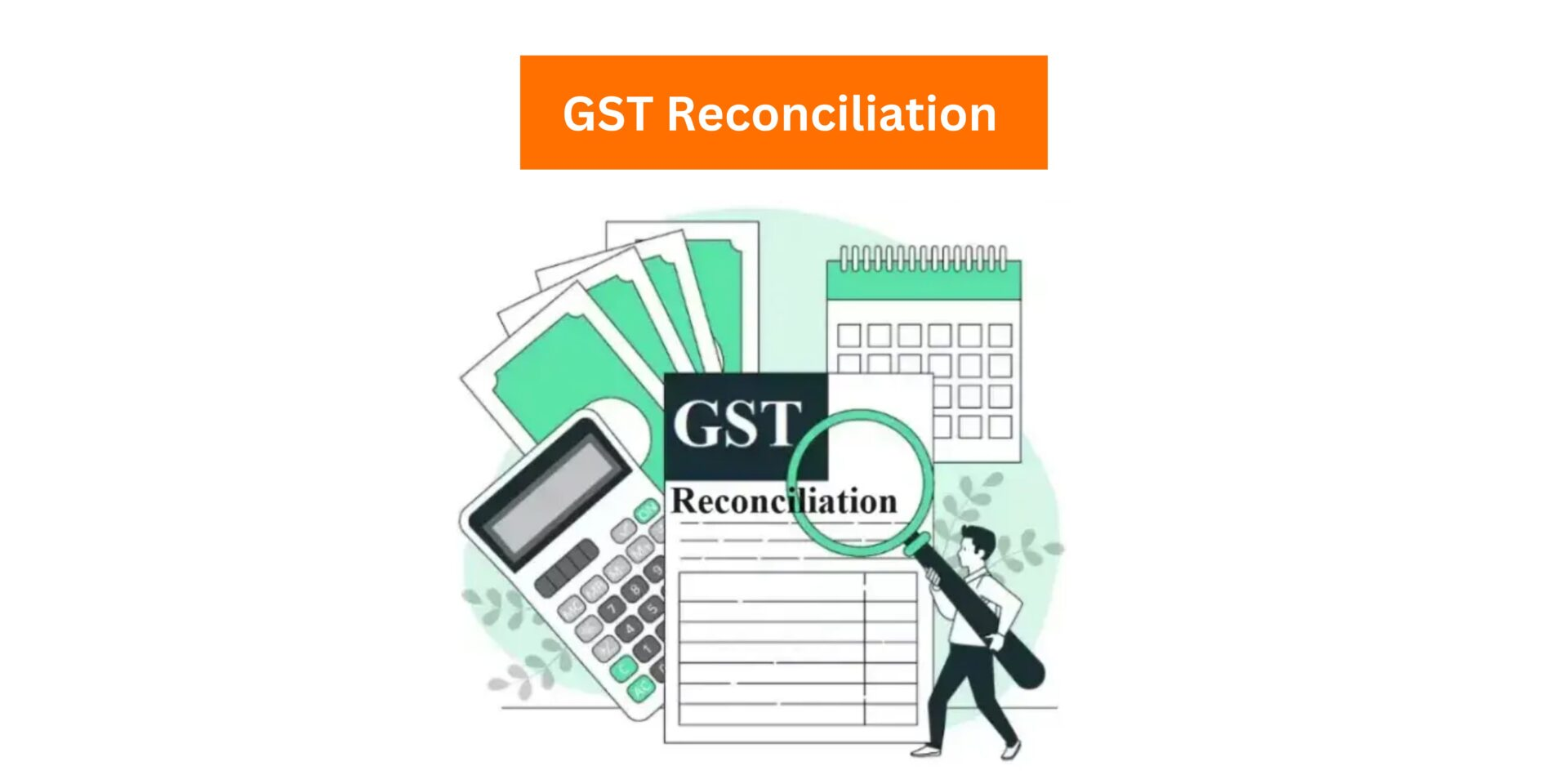 📊 GST Reconciliation Requirements
One of the most critical aspects of GST compliance is reconciliation.
Businesses should regularly reconcile:
| Reconciliation Type | Purpose |
|---|---|
| GSTR-1 vs Sales Register | Verify turnover |
| GSTR-3B vs Tax Payment | Ensure correct tax discharge |
| GSTR-2B vs Purchase Register | Verify ITC eligibility |
| Books vs GST Returns | Identify discrepancies |
👉 Failure in reconciliation is one of the biggest reasons for GST notices.
💰 Input Tax Credit (ITC) Verification
Input Tax Credit is heavily scrutinized by authorities.
Businesses can claim ITC only when:
- Supplier has uploaded invoice
- GST has been paid by supplier
- Valid tax invoice exists
⚠️ Common ITC Errors
- Claiming ITC on blocked credits
- Supplier not filing returns
- Duplicate ITC claims
- Mismatch between GSTR-2B and books
👉 Wrong ITC claims can result in:
- Tax reversal
- Interest
- Penalties
📅 Important GST Compliance Requirements
📌 Monthly/Quarterly Return Filing
Depending on turnover:
- GSTR-1
- GSTR-3B
must be filed regularly.
📌 Annual Return
Businesses crossing prescribed turnover limits may need:
- GSTR-9
📌 Record Retention
GST records should generally be maintained for:
- Minimum 6 years
⚠️ Common Reasons for GST Notices
Goa businesses commonly receive notices for:
❌ Mismatch Between Returns
GSTR-1 and GSTR-3B mismatch is highly common.
❌ Excess ITC Claim
Claiming credit beyond eligible amount.
❌ Delayed GST Filing
Late returns attract scrutiny.
❌ E-Way Bill Discrepancies
Especially in trading and logistics businesses.
❌ Cash Transaction Mismatch
Common in restaurants, hotels, and tourism businesses.
🧠 Practical Challenges for Goa Businesses
- Seasonal revenue fluctuations
- Tourism-based cash transactions
- Multiple business verticals under one entity
- Restaurant + bar mixed billing structure
👉 Hospitality businesses must carefully segregate:
- GST transactions
- Non-GST transactions (alcohol)
🛡️ How Businesses Can Prepare for GST Audit
✅ Maintain Proper Accounting Records
Use accounting software to:
- Track invoices
- Monitor GST liability
- Reconcile returns
✅ Conduct Regular Internal Reviews
Monthly reconciliation reduces future notices.
✅ Verify Vendor Compliance
Ensure suppliers:
- File returns properly
- Upload invoices correctly
✅ Preserve Documentation
Keep:
- Invoices
- Agreements
- Bank statements
- GST workings
organized and accessible.
🌟 Benefits of Strong GST Compliance
📈 Reduced Risk of Notices
Proper records minimize departmental scrutiny.
🏦 Better Business Credibility
Strong compliance improves trust with:
- Banks
- Investors
- Buyers
💰 Accurate ITC Utilization
Reduces unnecessary tax cost.
⚖️ Legal Protection
Proper documentation helps during disputes or audits.
⚠️ Penalties for Non-Compliance
- Interest on unpaid tax
- Monetary penalties
- ITC reversal
- Departmental investigation
- Business disruption
In serious cases:
- Prosecution provisions may also apply.
🏁 Conclusion
GST audits and compliance reviews are becoming increasingly data-driven and technology-focused. Businesses in Goa—especially in hospitality, tourism, retail, and trading sectors—must ensure proper accounting, reconciliation, and GST reporting practices.
Maintaining accurate records, filing returns on time, and regularly reviewing GST data can significantly reduce compliance risks and future litigation.
👉 GST compliance is no longer just about filing returns—it is about building a financially disciplined and audit-ready business.
📲 Stay Connected & Learn More
📞 Reach out via Call or WhatsApp: +91 8802912345
Related Articles
Payment Gateway Integration Compliance in Goa
Introduction Digital payments have become an essential part of modern business operations in Goa. Hotels, restaurants, cafes, resorts, event companies, e-commerce businesses, online coaching platforms, travel agencies, freelancers, startups, and ...Foreign Remittance Rules for Goa Businesses
Introduction With Goa becoming a growing hub for tourism, IT services, exports, consulting, and digital businesses, many companies regularly deal with foreign clients and international payments. Whether receiving money from overseas customers or ...Risk Management for Businesses in Goa
Introduction Goa is one of India’s most attractive business destinations, known for tourism, hospitality, real estate, events, restaurants, retail, logistics, and startup opportunities. However, every business operating in Goa faces certain risks ...Financial Reporting Compliance in Goa
Financial reporting compliance in Goa is an essential requirement for businesses, companies, and organizations operating in the state. Proper financial reporting ensures transparency, accountability, and adherence to statutory regulations. Whether a ...Cybersecurity Compliance for Businesses in Goa
Introduction Goa is rapidly becoming a preferred destination for tourism, hospitality, restaurants, real estate, event management, startups, online businesses, consulting firms, and professional service providers. As businesses in Goa increasingly ...