GST for Restaurants and Cafes in Goa
The food and hospitality industry in Goa is one of the fastest-growing sectors, driven by tourism, nightlife, cafes, restaurants, beach shacks, cloud kitchens, and food delivery businesses.
However, along with growth comes the responsibility of complying with tax regulations—especially Goods and Services Tax (GST).
Whether you operate:
- 🍴 A restaurant
- ☕ A café
- ☁️ A cloud kitchen
- 🏖️ A beach shack
- 🥐 A bakery
- 🛵 A food delivery business
👉 Understanding GST compliance is essential for smooth business operations and avoiding penalties.
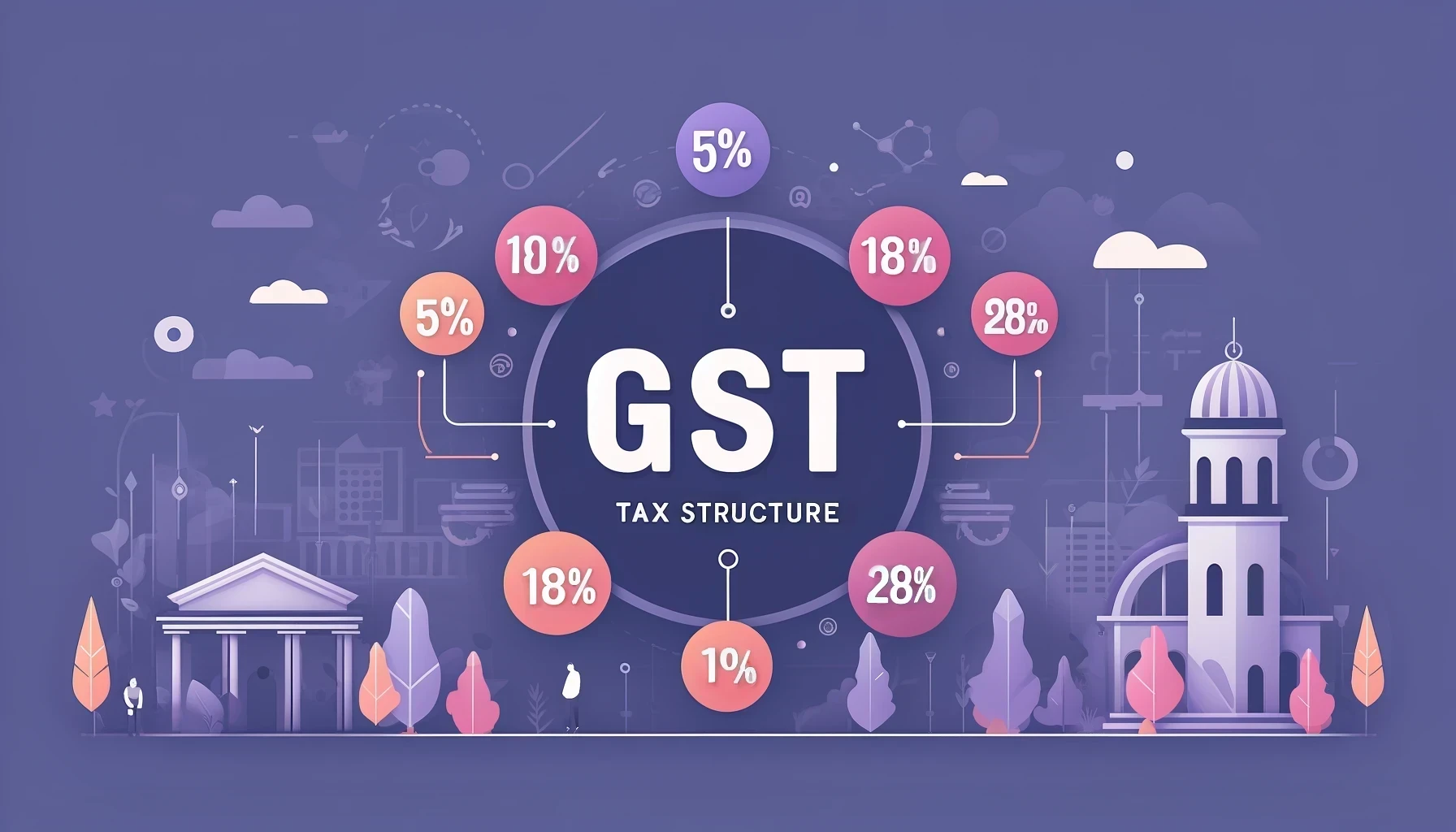 📊 What is GST?
GST (Goods and Services Tax) is an indirect tax levied on the supply of goods and services in India.
It is governed under:
- Central Goods and Services Tax Act, 2017
🌍 Applicability of GST for Restaurants & Cafes
GST registration becomes mandatory based on turnover and business activities.
📌 When is GST Registration Mandatory?
💰 Turnover Threshold
🟢 Service-Based Food Businesses
GST registration is mandatory if annual turnover exceeds:
- ₹20 lakh in Goa
⚠️ Mandatory Registration Regardless of Turnover
GST registration is compulsory if:
- Selling through Swiggy/Zomato
- Operating inter-state business
- Running under multiple branches/entities
- Supplying food through e-commerce platforms
👉 Even small cafes may require GST due to online food delivery operations.
🧑💼 Businesses Covered Under Restaurant GST
- Restaurants
- Cafes
- Cloud kitchens
- Bakeries
- Ice cream parlours
- Food trucks
- Catering businesses
- Bars serving food
- Beach shacks in Goa
⚖️ GST Rates for Restaurants & Cafes
GST rates depend on the type of establishment.
🍴 5% GST Category
Applicable to:
- Standalone restaurants
- Cafes
- Cloud kitchens
- Small food outlets
📌 Important:
- No Input Tax Credit (ITC) available
👉 Most restaurants in Goa fall under this category.
🏨 18% GST Category
Applicable mainly to:
- Restaurants inside hotels where room tariff exceeds prescribed limits
📌 Benefit:
- Input Tax Credit available
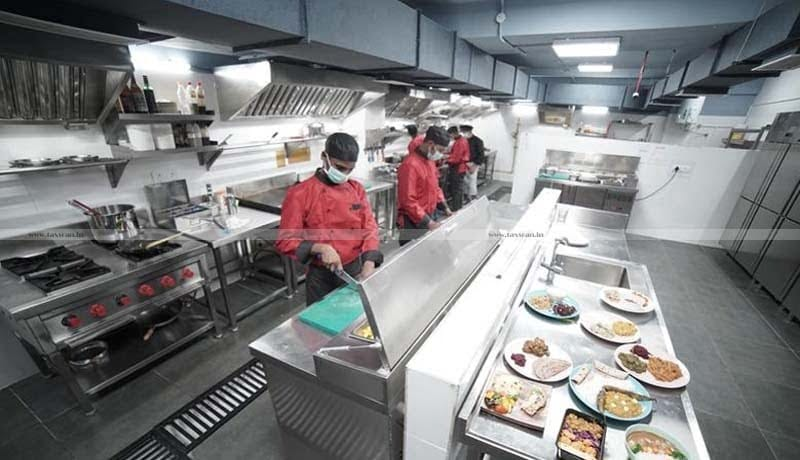 ☁️ GST for Cloud Kitchens
Cloud kitchens are treated as restaurant services.
Applicable GST:
- 5% GST without ITC
If operating through Swiggy/Zomato:
- Platforms may collect and deposit GST under TCS mechanism.
📦 GST on Food Delivery Platforms
Food delivery aggregators such as:
- Swiggy
- Zomato
are liable to collect GST on restaurant services supplied through their platforms.
👉 However, restaurants still need:
- GST registration
- Proper invoicing
- GST compliance
⚙️ Step-by-Step GST Registration Process
🔹 Step 1: Prepare Documents
(Explained below)
🔹 Step 2: Online GST Application
Provide:
- Business details
- PAN
- Address proof
- Bank details
🔹 Step 3: Verification
- Aadhaar authentication or department verification
🔹 Step 4: GSTIN Generation
After approval:
- GST certificate issued
- GSTIN allotted
📑 Documents Required for GST Registration
👤 Proprietorship
- PAN Card
- Aadhaar Card
- Photograph
- Address proof
- Bank proof
🏢 Company / LLP
- Certificate of Incorporation
- PAN of company
- Director details
- MOA & AOA / LLP Agreement
- Board resolution
🍽️ Additional Restaurant Documents
- Rent agreement/NOC
- FSSAI license
- Utility bill
- Shop establishment license (if applicable)
🧾 GST Invoice Requirements
Restaurant invoices must include:
- Business name
- GSTIN
- Invoice number
- GST breakup
- Customer details (where applicable)
👉 Incorrect invoicing can attract notices and penalties.
📊 Input Tax Credit (ITC)
🚫 5% GST Restaurants
Cannot claim ITC on:
- Rent
- Furniture
- Kitchen equipment
- Raw materials
✅ 18% GST Restaurants
Eligible for ITC subject to conditions.
📅 GST Return Filing Requirements
📌 Monthly/Quarterly Returns
Depending on turnover:
- GSTR-1 → Sales return
- GSTR-3B → Summary return
📌 Annual Return
- GSTR-9 (if applicable)
⏱️ GST Return Due Dates
| Return | Due Date |
|---|---|
| GSTR-1 | 11th of next month |
| GSTR-3B | 20th of next month |
| QRMP Scheme | Quarterly |
💰 GST Penalties
⚠️ Late Filing Penalty
- ₹50 per day (normal return)
⚠️ Interest on Delayed Payment
- 18% interest applicable
⚠️ Operating Without GST
Can result in:
- Penalties
- Tax demand
- Business disruptions
📌 Composition Scheme for Restaurants
Applicable GST:
- 5% under composition
Conditions:
- Limited turnover threshold
- No inter-state supply
👉 Simplified compliance but restrictions apply.
🏖️ Special Considerations for Goa Restaurants
Goa has seasonal tourism-based businesses, which creates unique GST challenges:
🧠 Practical Insights
- Beach shacks often delay GST registration due to seasonal operation confusion.
- Cloud kitchens in Goa frequently overlook GST compliance when starting through delivery apps.
- Restaurants with alcohol licenses still need GST compliance for food services separately.
🌟 Benefits of GST Registration
📈 Legal Business Operations
Operate without compliance risk.
🏦 Better Credibility
Improves trust with vendors and customers.
🍴 Easy Onboarding on Swiggy/Zomato
GST is usually mandatory.
🌍 Business Expansion
Required for scaling and franchising.
⚠️ Common Mistakes to Avoid
❌ Wrong GST Rate Application
Can result in notices and tax demand.
❌ Missing Return Filing
Even nil returns must be filed.
❌ Incorrect Invoice Format
Common reason for departmental notices.
❌ Ignoring Delivery Platform Compliance
Aggregator transactions still require proper accounting.
🏁 Conclusion
GST compliance is a crucial part of running restaurants and cafes in Goa. From billing and invoicing to return filing and tax calculation, proper GST management ensures smooth operations and protects businesses from penalties.
Whether you run a small café, a cloud kitchen, or a large restaurant chain, understanding GST rules helps maintain compliance, improve credibility, and support long-term growth.
👉 For food businesses in Goa, GST is not just a tax requirement—it is an essential part of building a compliant and scalable business.
📲 Stay Connected & Learn More
📞 Reach out via Call or WhatsApp: +91 8802912345
Related Articles
GST on Restaurants — 5% vs 18% rate, ITC availability
GST on Restaurants — 5% vs 18% Rate, ITC Availability The Goods and Services Tax (GST) framework for restaurants in India has evolved over the years to simplify taxation and reduce confusion. However, many restaurant owners and consumers still find ...GST compliance for Restaurants in India
Goods and Services Tax (GST) compliance for restaurants in India is governed by the Goods and Services Tax Act, 2017. Here are some key aspects of GST compliance for restaurants: 1. Registration Restaurants in India are required to register for GST ...Restaurants Under GST Composition Scheme
GST rates for restaurants have been a matter of a lot of discussions and the rates on the same have undergone a series of changes at the 28th GST Council Meeting. In this write up we will give a picture of the tax options available for restaurants ...GST Compliance for Hotels in Goa
Goa’s hospitality industry thrives on tourism, making hotels, resorts, and guesthouses a major part of the state’s economy. However, with business growth comes the responsibility of GST compliance—a critical aspect that directly impacts pricing, ...GST on Beach Shack Rentals in Goa
Goa’s iconic beach shacks are a major attraction for tourists, offering food, drinks, and seaside experiences. These shacks are typically temporary structures permitted by the government during tourist seasons, often operated under licensing ...