🏢 How to Structure a Holding Company for D2C Startups in Ind
📌 Introduction
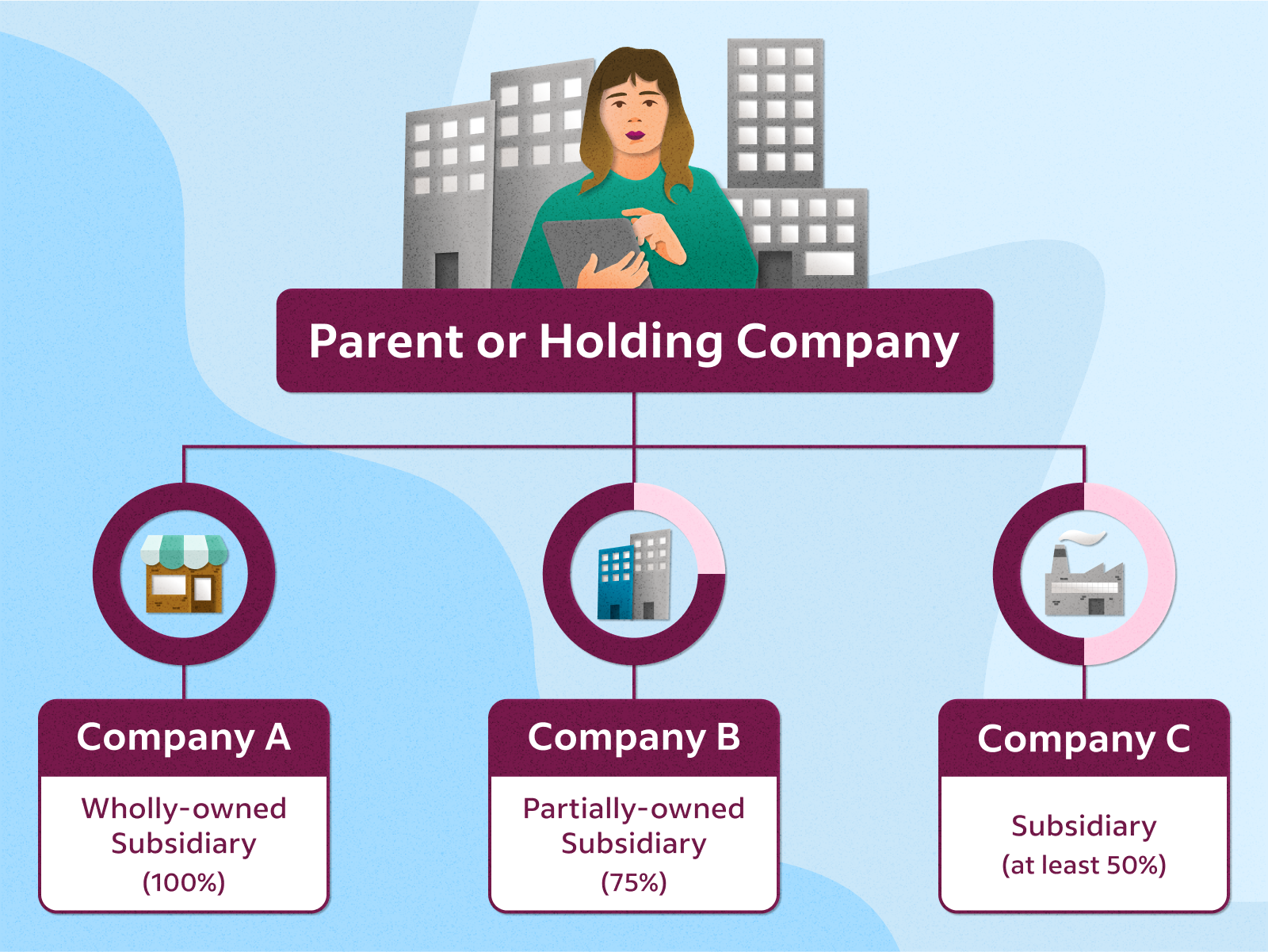
As India’s D2C (Direct-to-Consumer) market surges, many founders are opting to create holding companies to manage multiple brands, raise capital easily, and optimize compliance. A holding company acts as the parent entity for various brand-specific subsidiaries, helping founders scale operations and protect individual ventures from cross-liabilities.
✅ Why Choose a Holding Company?
Here’s why a holding structure makes sense for D2C businesses:
-
Risk Segregation: Isolates liabilities between different product brands.
- Investor Appeal: Investors can fund the main holding entity.
-
Funding Flexibility: Easier capital allocation to specific brands.
-
Tax Planning: Enables intra-group transactions and efficient dividend flow.
-
Exit-Ready: Makes brand-level acquisitions or spin-offs smoother.
🏗️ Ideal Structure for Indian D2C Startups
The recommended approach is:
📊 Structure:
-
The holding company controls 99.99% equity in each subsidiary.
-
Each subsidiary focuses on a specific brand or product category.
📝 Steps to Set Up a Holding Company
1. Register the Holding Company
-
Minimum 2 directors and shareholders
-
Include investment objectives in MOA
-
Apply via SPICe+ Form on MCA portal
2. Form Subsidiaries
-
Register separate Pvt Ltd companies for each brand
-
Holding company owns majority shares (usually 99.99%)
-
Common directors can be appointed across entities
3. Draft Inter-Company Agreements
Clearly define:
-
Capital infusion terms
-
💰 Tax & Compliance Considerations
|
|---|
✅ Avoid direct brand operations in the holding company; keep it strategic and non-operational.
⚠️ Common Mistakes to Avoid
📌 Conclusion
A well-structured holding company is a powerful tool for D2C startups in India. It supports scalable growth, risk isolation, better fundraising, and legal clarity. Founders aiming to build a multi-brand ecosystem should prioritize setting up a Private Limited Holding Company with clear inter-company arrangements and compliance systems.
Related Articles
How to Set Up a Dual Entity Structure in India and Singapore
? Introduction A dual-entity structure—where a company is set up in both India and Singapore—is becoming increasingly popular among startups, tech firms, service providers, and investors. The objective is simple: leverage the best of both ...Using LLPs to Set Up Venture Builder Models in Tier-2 Cities
?️ Using LLPs to Set Up Venture Builder Models in Tier-2 Cities Author: Taxaj Corporate Services LLP Category: Business Structuring | Startup Ecosystem Development ? Introduction India’s Tier-2 cities—such as Indore, Coimbatore, Bhubaneswar, Surat, ...Subsidiary Company Registration in Bangalore
Introduction of Bangalore City for Business Bangalore is India’s fastest-growing city to establish a subsidiary company in Bangalore is a quick, simple, and online process, Bangalore is known as India’s investment capital and the hub for launching ...Converting One Person Company (OPC) to Private Limited Company
Converting One Person Company (OPC) to Private Limited Company Introduction: One Person Company (OPC) is a popular business structure that allows a single individual to enjoy the benefits of limited liability and operate as a separate legal entity. ...Case Studies: Successful Foreign Subsidiaries in India
India has emerged as a favored destination for foreign direct investment (FDI), owing to its large consumer base, skilled workforce, and robust regulatory environment. Many multinational companies (MNCs) have established wholly-owned subsidiaries or ...