🔐 Intellectual Property Rights Enforcement in India: Safeguarding Innovation 💡🛡️
📌 Introduction
In today’s fast-paced, innovation-driven world 🌏, protecting ideas and creations is more important than ever. Intellectual Property Rights (IPR) 🔒 safeguard the rights of creators, innovators, and businesses by preventing unauthorized use of their work.
India 🇮🇳, as a rapidly growing economy, recognizes the value of IPR and has developed strong laws to ensure fair enforcement. But how well are these rights protected in practice? Let’s dive in! 🔍
📚 Legal Framework for IPR in India
India has a comprehensive legal setup to protect different types of IP 🧠:
🧬 Patent Act, 1970 – For inventions and new technologies.
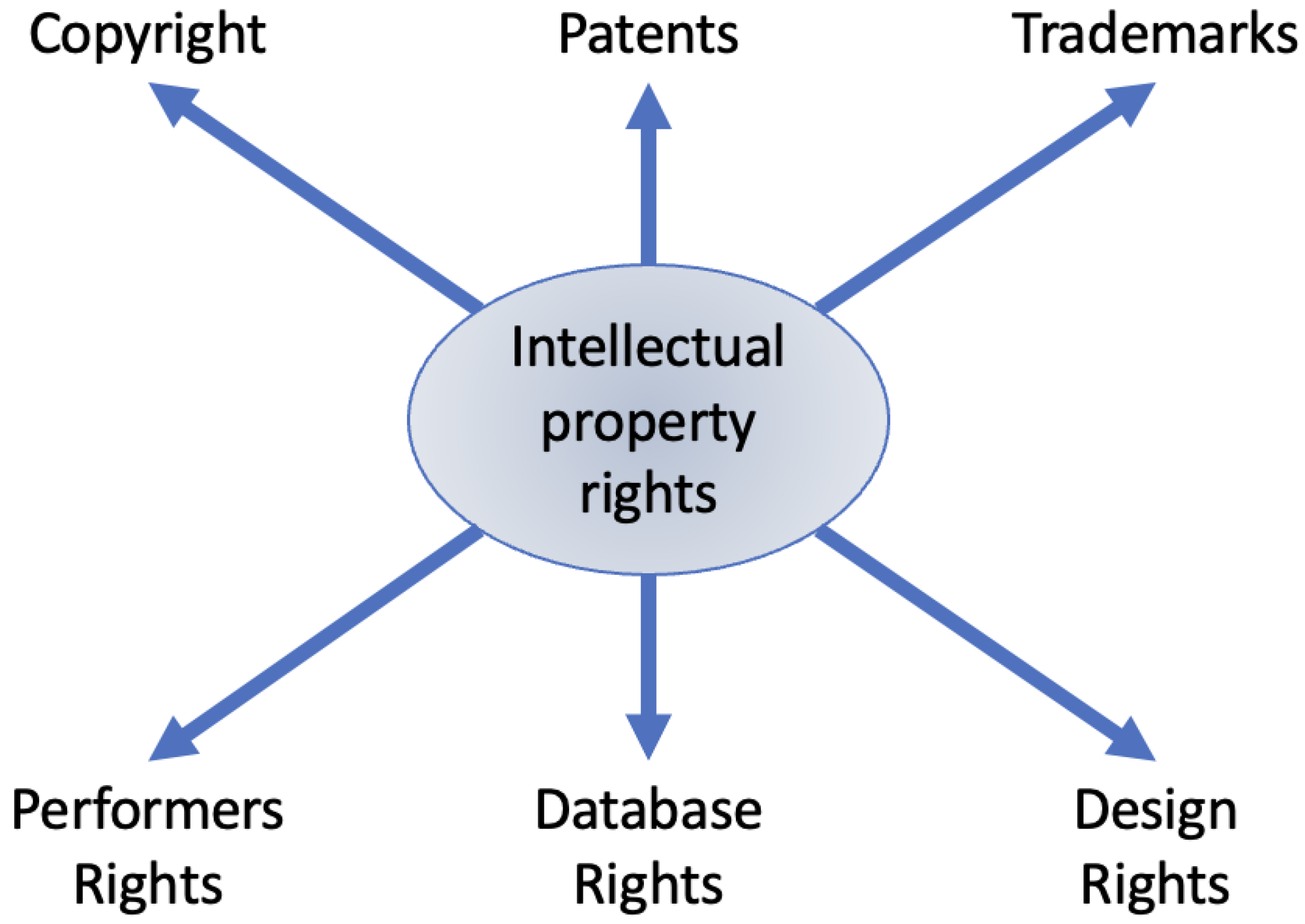 ™️ Trademarks Act, 1999 – For brand names, logos, etc.
-
📖 Copyright Act, 1957 – For music, books, films, etc.
-
🎨 Designs Act, 2000 – For aesthetic creations.
-
🗺️ Geographical Indications Act, 1999 – For region-specific products (like Darjeeling Tea 🍵).
-
💻 Semiconductor Act, 2000 – For layout-designs of chips.
These laws are TRIPS-compliant 🌐 (Trade-Related Aspects of Intellectual Property Rights) and align with global standards.
⚖️ Enforcement Mechanisms in India
🔨 1. Civil Remedies
Courts provide reliefs such as:
-
🚫 Injunctions – Stop the infringing act
-
💰 Damages – Compensation to the IP owner
-
📦 Seizure – Confiscation of fake/infringing goods
The Commercial Courts Act, 2015 has improved speed and expertise in IP litigation 🏛️.
🚔 2. Criminal Remedies
Serious infringements (especially in copyrights & trademarks) attract:
🛃 3. Administrative Remedies
-
👮 Customs can seize infringing imported goods.
-
📑 The IP offices manage opposition and registration.
-
🖥️ Online portals help file and monitor IP applications.
🚧 Challenges in IPR Enforcement
Despite strong laws, there are hurdles 🚧:
-
🕒 Delays in courts – Long waiting time for judgments
-
🤷 Lack of awareness – Especially among startups and MSMEs
-
👮 Limited training – Enforcement bodies need IPR expertise
-
🎭 Fake markets – Piracy & counterfeiting are widespread
🚀 Government Initiatives & Reforms
To address these gaps, the Indian government has launched several initiatives:
-
📜 National IPR Policy (2016) – For education, registration & enforcement
-
🧑🏫 IP Awareness Programs – Conducted across industries & schools
-
🕵️♀️ Special IPR Cells in Police – For focused action
-
💻 Digitization of IP Offices – Faster filings & transparent tracking
👨⚖️ Role of Judiciary & Enforcement Agencies
Indian High Courts 🏛️ have taken a proactive stance:
-
The Delhi High Court IP Division handles IP cases exclusively ⚖️.
-
Fast-track judgments 🕊️ and interim relief help protect IP quickly.
Police departments and customs officers are also being trained regularly 👮♂️💼.
🌟 Conclusion
A strong IPR enforcement regime is critical for innovation, investment, and growth 🚀. While India has made significant progress with modern laws and reforms, there’s still room for improvement in awareness, speed, and enforcement.
By strengthening IPR enforcement 🛡️, India can become a true hub of creativity 🎨, technology 🖥️, and innovation 🔬 on the global stage.
Related Articles
Intellectual Property Protection Strategies in India
Introduction Intellectual Property, often abbreviated as IP, has emerged as a critical asset in today’s knowledge-driven global economy. In a world where intangible assets often outweigh physical assets in valuation, the importance of protecting ...Intellectual Property Rights Protection for Foreign Subsidiaries in India
Intellectual Property Rights Protection for Foreign Subsidiaries in India Introduction India, as one of the world's largest emerging economies, offers significant opportunities for foreign investment. Foreign subsidiaries in India are a major part of ...Intellectual Property Portfolio Management in Bangalore
? Intellectual Property Portfolio Management in Bangalore Safeguarding Innovation in India’s Silicon Valley ? Introduction Bangalore, also known as the Silicon Valley of India, has rapidly evolved into a global technology and innovation hub. From ...What is Intellectual Property Rights?
Copyrights, Patents, Trademarks, and Trade Secrets – Four Types of Intellectual Properties If you are a business owner, you should familiarize yourself with the four types of intellectual property, otherwise known as IP. We speak with many ...Tax Treatment of Intellectual Property in Bangalore
Bangalore, often referred to as the Silicon Valley of India, has emerged as a hub for technological innovation and intellectual property (IP) creation. As businesses in the city continue to invest in research and development, it becomes crucial to ...