Raised Customs Duties on Electronic Goods: What Importers Must Know
The Indian government has recently raised customs duties on a range of electronic goods—a move that has sent ripples across the tech industry, retail sector, and global supply chains. With the aim of boosting domestic manufacturing and reducing reliance on imports, this policy shift comes under the umbrella of the government’s flagship “Make in India” and “Atmanirbhar Bharat” initiatives.
But what does this mean for importers? Here's a comprehensive look at everything you need to know.
Why Have Customs Duties Been Increased?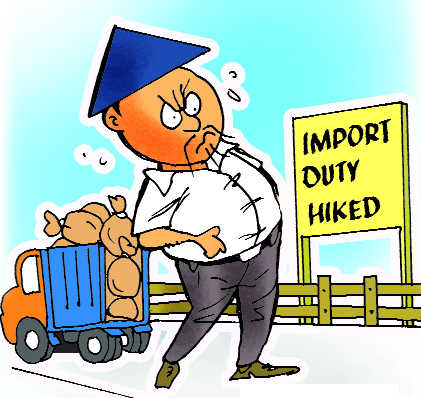
A Push for Domestic Manufacturing
The rise in customs duties is part of India’s broader industrial strategy to:
-
Encourage local manufacturing of electronic components and devices.
-
Reduce the current account deficit by limiting non-essential imports.
-
Make India a global electronics manufacturing hub.
By making imports more expensive, the government hopes to make domestically produced alternatives more competitive in terms of cost.
Which Electronic Goods Are Affected?
The following categories have seen increased Basic Customs Duty (BCD):
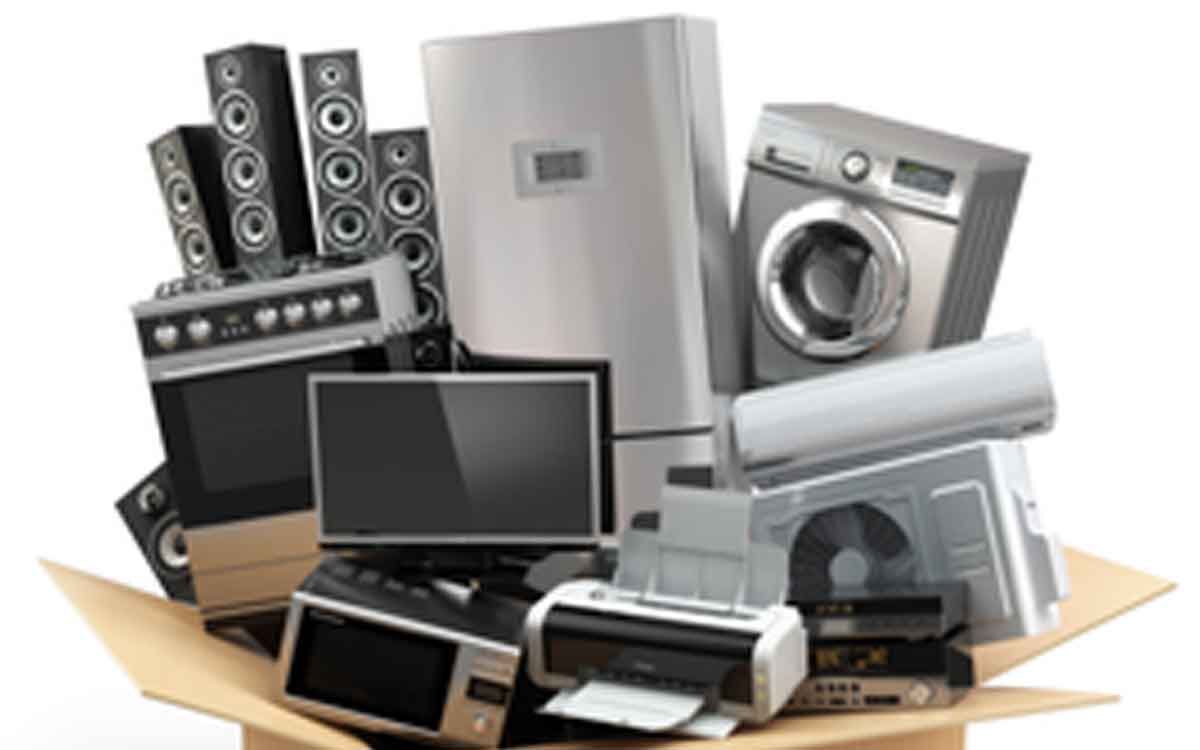
Consumer Electronics
-
Smartphones (selected components like PCBs, camera modules)
-
Television sets (especially panels larger than 32 inches)
-
Air conditioners, refrigerators, and washing machines
-
Laptops and tablets (some components only)
Electronic Components
-
Printed Circuit Boards (PCBs)
-
Display assemblies
-
LED TV panels
-
Lithium-ion battery packs
-
Power adaptors and chargers
-
Optical fiber cables
Example: Customs duty on open cell TV panels was hiked from 0% to 5%, which could increase retail TV prices by up to 3–5%.
Revised Duty Structure at a Glance
| Product/Component | Old Duty Rate | New Duty Rate |
|---|---|---|
| Open-cell TV panels | 0% | 5% |
| Mobile phone PCBs | 10% | 20% |
| LED light parts | 5% | 10% |
| Lithium-ion battery cells | 0% | 2.5–5% |
| Wireless earphones (TWS devices) | 15% | 20% |
Impact on Importers and the Industry
Higher Import Costs
Increased duties translate to higher landing costs, squeezing profit margins for importers.
Retail Price Hike
Expect end-consumer prices to rise, particularly for mid-range smartphones, TVs, and laptops.
Supply Chain Adjustments
Importers may explore:
-
Alternate sourcing from countries with favorable FTAs (Free Trade Agreements)
-
Local value addition to minimize duty impact
-
Partnerships with OEMs setting up units in India
Strategic Moves for Importers
To mitigate the impact, importers should:
✅ Review Product Classifications
Ensure correct HSN code usage to avoid paying unnecessary duties or penalties.
✅ Utilize Free Trade Agreements
Countries like Vietnam, Thailand, and South Korea offer FTA benefits that may reduce or eliminate duties under certain conditions.
✅ Reassess Pricing Strategies
Factor in the increased duty while setting new wholesale and retail prices.
✅ Engage in Local Manufacturing or Assembly
Taking advantage of schemes like:
-
PLI (Production-Linked Incentive)
-
EMC (Electronics Manufacturing Cluster) Scheme
-
MEIS/RODTEP export benefits
✅ Use Bonded Warehousing
Government Schemes to Support Importers-Turned-Manufacturers
The following schemes provide financial and infrastructure support for shifting to local manufacturing:
-
PLI Scheme for electronics
-
Modified Special Incentive Package Scheme (M-SIPS)
-
Electronic Development Fund (EDF)
-
Startup India support for electronics startups
These schemes offer capital subsidies, tax breaks, and infrastructure support.
What to Watch Going Forward
📌 Regular CBIC Notifications
Stay updated with notifications from the Central Board of Indirect Taxes and Customs (CBIC) for rate changes or exemptions.
📌 Customs Compliance Audits
Expect more stringent checks and audits post-import, especially for misclassification or undervaluation.
📌 Policy Shifts Around EV Components
With the surge in EV demand, components like batteries, BMS, and motors could also see duty hikes or changes.
Conclusion: Adaptation Is Key
The raised customs duties on electronic goods mark a turning point for India’s electronics importers. While the immediate impact may involve higher costs and operational hurdles, the long-term vision is geared toward a self-reliant electronics ecosystem.
Importers must act swiftly—reassess their strategies, optimize sourcing and compliance processes, and consider participating in India’s growing manufacturing landscape.
Need Help Navigating the Changes?
If you’re an importer unsure how these changes affect your business or need guidance on compliance, sourcing alternatives, or setting up local operations, feel free to reach out to TAXAJ.

Related Articles
GST Applicability & Tax Rates on Cement Industry
The Goods and Services Tax (GST) is a comprehensive tax reform implemented in India in July 2017, aimed at simplifying the tax structure and reducing the cascading effect of taxes. The cement industry, being a crucial sector for the Indian economy, ...GST Applicability & Tax Rates on Cement Industry
The Indian cement industry is the 2nd largest cement producer in the world after China. The Indian Government is highly focused on developing infrastructure, affordable housing, and roads as announced by the finance minister Mr. Arun Jaitley in the ...Chartered Accountants for Export-Import and International Trade
Chartered Accountants for Export-Import and International Trade: A Crucial Guide In today’s globalized economy, international trade plays a pivotal role in the growth of businesses and nations. Export and import operations involve a complex interplay ...Benefits of goods and service tax
Hailed as one of the biggest tax reforms of the country, the Goods and Services Tax (GST) subsumes many indirect taxes which were imposed by Centre and State such as excise, VAT, and service tax. It is levied on both goods and services sold in the ...GST Applicability & Tax Rates on Consumer Goods
GST Applicability & Tax Rates on Consumer Goods: A Comprehensive Guide Introduction Goods and Services Tax (GST) is a unified indirect tax that replaced multiple indirect taxes in India. Implemented on July 1, 2017, GST aims to streamline the ...