Sustainable Practices for Foreign Subsidiaries in India
As India advances its global sustainability commitments and transitions toward a low-carbon economy, foreign subsidiaries operating in the country must align themselves with sustainable practices. These practices not only meet regulatory expectations but also improve brand image, operational efficiency, and long-term profitability.
This article explores key sustainable practices that foreign subsidiaries in India can adopt, compliance strategies, and the critical role of advisors like TAXAJ in streamlining this process.
📌 Why Sustainability Matters for Foreign Subsidiaries
-
Regulatory Compliance
India has progressively strengthened its environmental regulations, such as the Environment Protection Act, E-Waste Rules, and Extended Producer Responsibility (EPR) norms. Non-compliance can result in hefty penalties, reputational damage, and business disruption. -
Investor and Stakeholder Pressure
Institutional investors are increasingly factoring Environmental, Social, and Governance (ESG) metrics into their evaluations. Adopting sustainable practices aligns with stakeholder expectations globally. -
Competitive Advantage
Sustainability fosters innovation, reduces resource dependence, and builds resilience against market volatility—key differentiators in India’s dynamic business environment.
🌍 Key Sustainable Practices for Foreign Subsidiaries
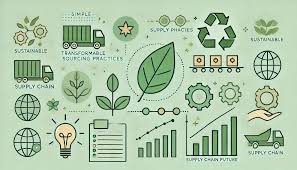 ♻️ 1. Green Supply Chain Management
-
Adopt local sourcing to reduce carbon emissions from transportation.
-
Encourage vendors to comply with environmental standards.
-
Use eco-friendly packaging and promote recyclable materials.
🔗 Explore Business Process Optimization services with TAXAJ to green your supply chain.
⚡ 2. Energy Efficiency and Renewable Integration
-
Replace conventional lighting with LEDs.
-
Install solar panels for partial power needs.
-
Conduct energy audits to identify areas of excessive consumption.
🔗 Get started with Environmental Compliances through TAXAJ.
🌾 3. Water and Waste Management
-
Install rainwater harvesting systems.
-
Set up effluent treatment plants (ETP) to meet discharge norms.
-
Implement waste segregation and composting at source.
🌿 4. Carbon Footprint Reduction
-
Transition to electric vehicles (EVs) for transportation and logistics.
-
Encourage remote work and digital documentation to minimize travel and paper use.
-
Invest in carbon offset projects (e.g., afforestation or bioenergy).
🏢 5. Green Building Certifications
Foreign subsidiaries constructing facilities in India should aim for:
-
LEED Certification (Leadership in Energy and Environmental Design)
-
IGBC Certification (Indian Green Building Council)
These enhance property value and reduce long-term operational costs.
👩💼 6. Sustainable HR and CSR Practices
-
Integrate sustainability KPIs in employee appraisals.
-
Offer green commuting benefits, like shuttle buses or metro cards.
-
Align CSR initiatives with environmental or community development goals.
🔗 Check CSR Compliance Services with TAXAJ.
📜 Legal and Regulatory Framework Supporting Sustainability
| Regulation | Purpose |
|---|---|
| Companies Act, 2013 – Section 135 | Mandates CSR for eligible companies |
| Environment (Protection) Act, 1986 | Umbrella law for environmental protection |
| Energy Conservation Act, 2001 | Mandates energy audits and standards |
| E-Waste Management Rules, 2022 | Prescribes producer responsibility for electronics |
📈 How Sustainable Practices Benefit Foreign Subsidiaries
✅ Cost Savings: Reduced utility bills, optimized resource usage
✅ Brand Value: Positive image among eco-conscious consumers
✅ Risk Mitigation: Reduced regulatory risks and disruptions
✅ Investor Confidence: Aligned with ESG criteria
✅ Market Access: Easier entry into environmentally conscious sectors
 🤝 Role of TAXAJ in Supporting Sustainability
At TAXAJ Corporate Services LLP, we guide foreign subsidiaries in:
✅ Setting up ESG-focused structures
✅ Ensuring compliance with Indian environmental laws
✅ Performing sustainability audits and green certifications
✅ Drafting and filing CSR policies aligned with Section 135
✅ Business restructuring to meet green benchmarks
📞 Get Started with TAXAJ Today!
Ready to make your subsidiary in India sustainable, compliant, and future-ready?
🔗 Visit www.taxaj.com
📧 Email us at: connect@taxaj.com
📞 Call us: +91-8802-951-245
Let’s build a sustainable future — together.
Related Articles
Compliance for Renewable Energy and Green Companies
A Complete Guide for Sustainable Business Practices With the increasing global focus on climate change and sustainable development, renewable energy and green companies have emerged as vital players in shaping the future of energy consumption. ...Ethical Considerations for Foreign Subsidiaries in India
As India continues to attract foreign investment and multinational companies, establishing a foreign subsidiary here is a strategic move. However, succeeding in the Indian market requires more than just legal compliance — it demands a strong ...Finance Ministry Approves Sovereign Green Bonds
In a landmark move towards sustainable development, the Ministry of Finance, Government of India, has officially approved the issuance of Sovereign Green Bonds. These bonds mark India’s entry into the global green finance market and aim to fund ...CSR Compliance for Goa-Based Companies
? Corporate Social Responsibility (CSR) Compliance for Goa-Based Companies: A Complete Guide ? Introduction Corporate Social Responsibility (CSR) is no longer just a buzzword—it's a mandate, a duty, and more importantly, a commitment to the ...Labor and Employment Trends in India for Foreign Subsidiaries
India has rapidly emerged as a preferred destination for multinational corporations (MNCs) establishing subsidiaries across various sectors such as IT, manufacturing, pharmaceuticals, e-commerce, and fintech. The evolving labor market, progressive ...