How to Get a Bread N Breakfast License
 Bread N Breakfast License: The Ultimate Guide to Starting Your Cozy Stay Business
From home-cooked charm to legal checklists, here’s what you need to know.
🌅 Introduction: More Than Just a Warm Bed and a Fluffy Pancake
Imagine waking up in a rustic cottage to the smell of freshly brewed coffee and the gentle crackle of bacon in the pan. The “bed and breakfast” (often stylized as Bread N Breakfast) model is beloved for its personal touch — a charming alternative to sterile hotels. But behind the cozy linens and warm muffins lies something less romantic: regulations.
If you’re thinking of opening your own B&B — or “Bread N Breakfast” establishment — getting the proper license is not just a formality. It’s your legal passport to operate, build trust, and stay compliant with local laws.
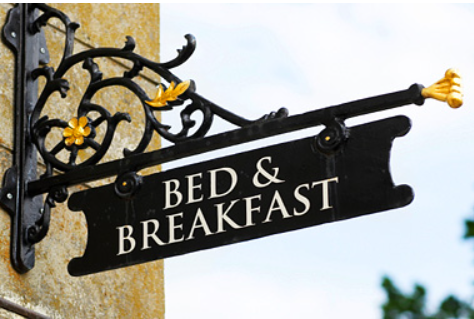 🏡 What Is a Bread N Breakfast License?
A Bread N Breakfast license is a business permit required by local or state governments that allows individuals to legally operate a small lodging business typically offering overnight accommodation and breakfast.
It differs from standard hotel licenses because B&Bs are usually run from private homes or small properties, often by the owners themselves. This makes them subject to unique zoning laws, health codes, and safety inspections.
📜 Why You Need a License
Think of the license as your business foundation. Without it, you risk:
-
Fines and penalties
-
Forced closure
-
Liability issues
-
Ineligibility for insurance or tax deductions
Most importantly, it signals to your guests that your B&B is safe, legal, and professionally managed.
🧾 Types of Licenses and Permits You May Need
Setting up a Bread N Breakfast isn’t a one-license deal. Depending on your location, you might need multiple permits:
1. Business License
-
Grants you the legal right to operate any commercial entity.
-
Issued by city or county authorities.
2. Zoning Permit
-
Confirms that your residential property can legally host paying guests.
-
You may need a zoning variance or conditional use permit.
3. Health Department Permit
-
Required if you serve food.
-
Your kitchen may need to pass a health inspection similar to restaurants.
4. Fire and Safety Inspection Certificate
-
Ensures smoke alarms, fire extinguishers, exits, and occupancy limits meet safety standards.
5. Food Handler's Certification
-
Often mandatory if you or staff handle food.
-
Usually a short course followed by a certification test.
6. Sales Tax Permit
-
Required in many jurisdictions to collect and remit lodging or occupancy taxes.
📍 Step-by-Step: How to Get Your Bread N Breakfast License
1. Research Local Laws
-
Contact your city or county clerk’s office or department of commerce.
-
Ask about zoning, permits, and inspections.
2. Prepare Your Property
-
Make necessary renovations to meet fire codes and hygiene standards.
-
Add amenities that make your stay memorable — like themed rooms or local décor.
3. Apply for the License
-
Submit applications for all relevant permits.
-
Fees vary but often range between $100–$1000+, depending on your location.
4. Schedule Inspections
-
A health inspector and fire marshal will typically evaluate your space.
5. Get Insured
-
Obtain general liability, property, and commercial insurance.
-
Some insurers specialize in bed-and-breakfast policies.
🌟 Tips for a Successful B&B Operation
-
Know Your Guests: Are they honeymooners, digital nomads, or weekend warriors? Tailor experiences accordingly.
-
Create a Story: People love staying at places with character — not cookie-cutter rentals.
-
Use Online Platforms: Register on Airbnb, Booking.com, and B&B directories.
-
Keep It Legal: Renew licenses annually and stay updated with local regulations.
🚫 What Happens If You Skip Licensing?
Operating a Bread N Breakfast without proper licensing is risky:
-
Hefty Fines: In some states, up to $10,000 per violation
-
Shut Down Orders: Authorities can close your business immediately
-
Civil Liability: If a guest is injured, you may be personally sued
It’s not worth the risk — especially when getting licensed is straightforward with proper planning.
📊 Case Study: The Tale of “Maple & Moon B&B”
Susan and David transformed their Vermont farmhouse into “Maple & Moon,” a rustic bed and breakfast. After a year of operation, they were hit with a $5,000 fine for lacking a food service permit. They thought “continental breakfast” didn’t count. It did.
They quickly obtained the proper licenses, added a commercial-grade fridge, and passed a follow-up inspection. Today, they host over 300 guests a year — and feature in several travel blogs!
Lesson: Even scrambled eggs need a stamp of approval.
✅ Final Thoughts: Licensing = Legitimacy + Longevity
Running a Bread N Breakfast is equal parts passion and paperwork. While licensing may not be the most glamorous part of your hospitality dream, it’s what turns a hobby into a thriving business.
So hang that license on your wall next to the local art and antique clocks. It’s a badge of honor — and a ticket to long-term success.
Created & Posted by Sony Garg
Accounts & Finance Executive at TAXAJ
TAXAJ is a consortium of CA, CS, Advocates & Professionals from specific fields to provide you a One Stop Solution for all your Business, Financial, Taxation & Legal Matters under One Roof. Some of them are: Launch Your Start-Up Company/Business, Trademark & Brand Registration, Digital Marketing, E-Stamp Paper Online, Closure of Business, Legal Services, Payroll Services, etc. For any further queries related to this or anything else visit TAXAJ
Watch all the Informational Videos here: YouTube Channel
Address: 186/A, 1st Floor, 22nd Cross, 3rd Sector, Near HSR Club, HSR Layout, Bangalore - 560102
Contact: 8961228919 ; 8802812345 | E-Mail: connect@taxaj.com
Related Articles
Trade License Requirements in Goa
💡 Start Your Business Legally. Avoid Penalties. Build Credibility. Planning to start a business in Goa? Whether it’s a shop, restaurant, office, or service unit—obtaining a Trade License is one of the most important legal requirements. 👉 A trade ...How to Get Trade License from Local Municipalities in Goa
Introduction ?️? A step-by-step, practitioner’s guide for shops, restaurants, salons, clinics, and small industries Goa’s economy thrives on tourism, hospitality, retail, healthcare, and professional services—and almost all commercial ...How to get registered in startup india
A startup is a newly established business, usually small, started by 1 or a group of individuals. What differentiates it from other new businesses is that a startup offers a new product or service that is not being given elsewhere in the same way. ...Trade License Registration Online Process
Trade License Registration WHAT IS A TRADE LICENSE Trade licenses were introduced in India 40 years ago. A trade license is a way to regulate a specific business from a particular locality. The State Government issues it. A trade license is a ...AYUSH License - Online Registration
AYUSH License Manufacturers who are involved in producing Ayurvedic or Herbal products in India need to acquire AYUSH License controlled by the Ministry of AYUSH. The Ministry of AYUSH was framed on 9th November 2014, prior it was known as the ...