How To Start New Business for Food Delivery Services
 How To Start New Business for Food Delivery Services
1. Decide your Delivery Route
Before you start preparing for food delivery, decide your best route to market:
Create a new condensed takeaway/delivery menu. A reduced, viable, and still-profitable mini menu makes more sense. Decide which dishes you will be delivering by balancing your most ordered dishes with those that are express-proof. You might consider incorporating some basic dishes into your menu. Remember: defining your menu also means defining how the ordering is done, having the proper tools, equipment, or automation in place.
Tip: Take advantage of shelf-stable products where appropriate, which have minimal handling and last longer.
Ensure that you have taken all the latest Food Delivery Menu Tips into account before uploading your Menu.
3. Upload Your Menu
Next, upload your Menu to relevant platforms i.e. Google, Food Delivery Platform, your website, etc. The following categories usually define your dish:
Dish Images: These are either your best sellers (looking their best!) or images provided by your delivery partner.
Menu Categories: Set your Menu Category, for example, Burgers, Vegan, Sandwiches, Pasta, Desserts
Meal Deals: Design meals around top sellers at a better value than the items individually.
Extras: Add extras to upsell like sauces, drinks, desserts… popular brands like Hellmann’s, Ben & Jerry's and Lipton work well.
Ensure that all operations are GO by reviewing the following checklist:
- Do you have reliable internet?
- Are you logged in to delivery partner tablet/POS?
- Do you have sufficient delivery food containers & bags?
- Do you have a designated pick up area for delivery collection?
- Have you review your pre-time for top sellers & reduced them?
- Have you planned extra stock & staff for weekends?
- Have you tested your top sellers in the containers you will use for the average wait time?
- Have you set up contactless payment?
- Have you adjusted ingredients or containers to ensure appeal & express-readiness?
- Do you have a dedicated order 'space' in your outlet? This location will have its own mise eon place.
5. Promote Your Delivery
Hiring and Training
Recruit a skilled and reliable delivery team. Provide comprehensive training on customer service, safe driving, and order handling.Implement background checks to ensure the trustworthiness of your delivery personnel.
- Your loyalty program through your POS, website functions inquiries and bookings inquiries, guest WiFi which captures customer details.
- Utilize the larger delivery platforms or restaurant booking platforms that offer access to your database.
- Promote your changes on social media so customers can see you are still open for business and let them know you are doing takeaway/delivery.
- Make a video to promote your delivery business and showcase your restaurant’s people, their skills, and your dishes.
- Video a handy cooking demo or something that creates brand knowledge for your customers.
- Encourage your followers to post their own shots of them enjoying your meals, with a discount on next orders as a reward.
- Join industry and local social media pages to see what people are doing elsewhere.
Tip: Add Delivery Function on Google & Facebook Frame on Facebook.
6. Reassure your Diners on Safety
After ensuring that you have strict Safety rules and regulations in place for delivery and pick up, reassure your customers by communicating these food prep safety and kitchen cleanliness protocols externally (social media, email etc.) Some good safety practices are:
- We are maintaining social distancing while prepping your food
- We are wearing protective equipment like gloves and face masks
- We are regularly washing our hands
Offer contactless or cashless options - ensure safety for your guests and drivers/staff.
- Customer Service
Exceptional customer service is a key differentiator. Implement a responsive customer support system to handle queries, complaints, and feedback. Positive customer experiences will lead to repeat business and positive word-of-mouth marketing.
- Financial Management
Maintain meticulous financial records. Monitor revenue, expenses, and profits regularly. Implement cost-saving measures where possible and allocate resources strategically. Seek professional financial advice to optimize your financial management.
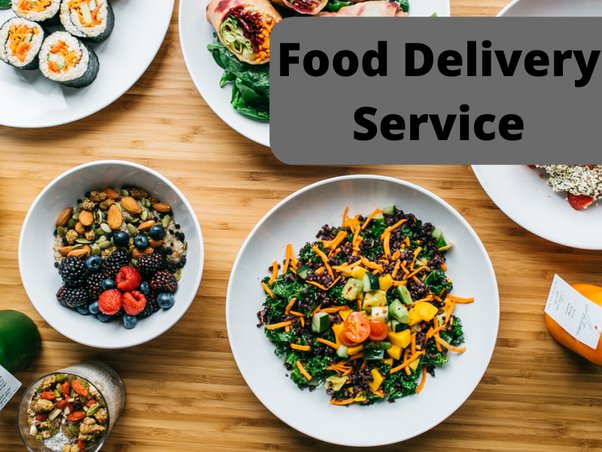 delivery service
What Are the Licenses Needed for Starting a Food Delivery Service in India?
Health Trade License

- E-commerce Agreements
- Permanent Account Number – Company PAN Card
- Photo ID of the applicant
- Proof of address of the applicant
- Banking details of the applicant
- Certificate of Incorporation
- Food license
- No Objection Certificate from the owner of the place of business
- GST Registration
- EPF and ESI Registration, if required
- Professional Tax Registration, if required
- Conclusion
Related Articles
How To Start New Business for Food Delivery Services
? How to Start a Food Delivery Business in India – Step-by-Step Guide ?♂️ Food delivery isn’t just a trend—it’s a revolution. With busy lifestyles, rising smartphone usage, and a hunger for convenience, the food delivery industry is exploding ...How To Start New Business for Food
Introduction Starting a food business combines passion with entrepreneurship. Unlike many industries, food resonates emotionally—fueling comfort, nostalgia, community, and culture. Whether it’s a cherished family recipe, a revolutionary product, or a ...How To Start New Business for Food
How to Start an Online Food Business Starting an online food business can be a lucrative venture, especially in today's digital age. This comprehensive guide will walk you through the necessary steps to successfully launch your online food business, ...How To Start New Business for Retail & E-commerce
Starting your own e-commerce business is an exciting venture, especially if you’ve dreamed about the freedom of being your own boss. If you are crafty or have a knack for selling, then the entrepreneurial route could be a great choice for you. ...How To Start New Business for Retail & E-commerce
Introduction With the surge in digital adoption and online shopping trends, India’s retail and e-commerce industry offers enormous business opportunities. Whether you're planning to open a physical store or launch an online brand, understanding the ...